What Does Biological Reset Mean – and Why Does the Body Need It?
Introduction – The Systems Biology Perspective
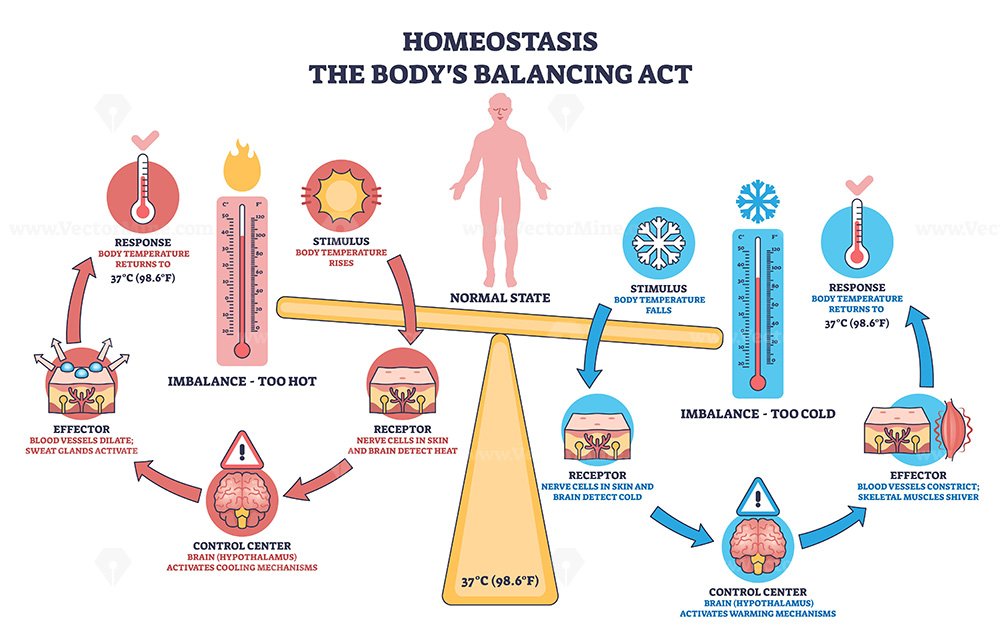
From a biological standpoint, health is not defined by the absence of symptoms, but by the presence of functional regulation.
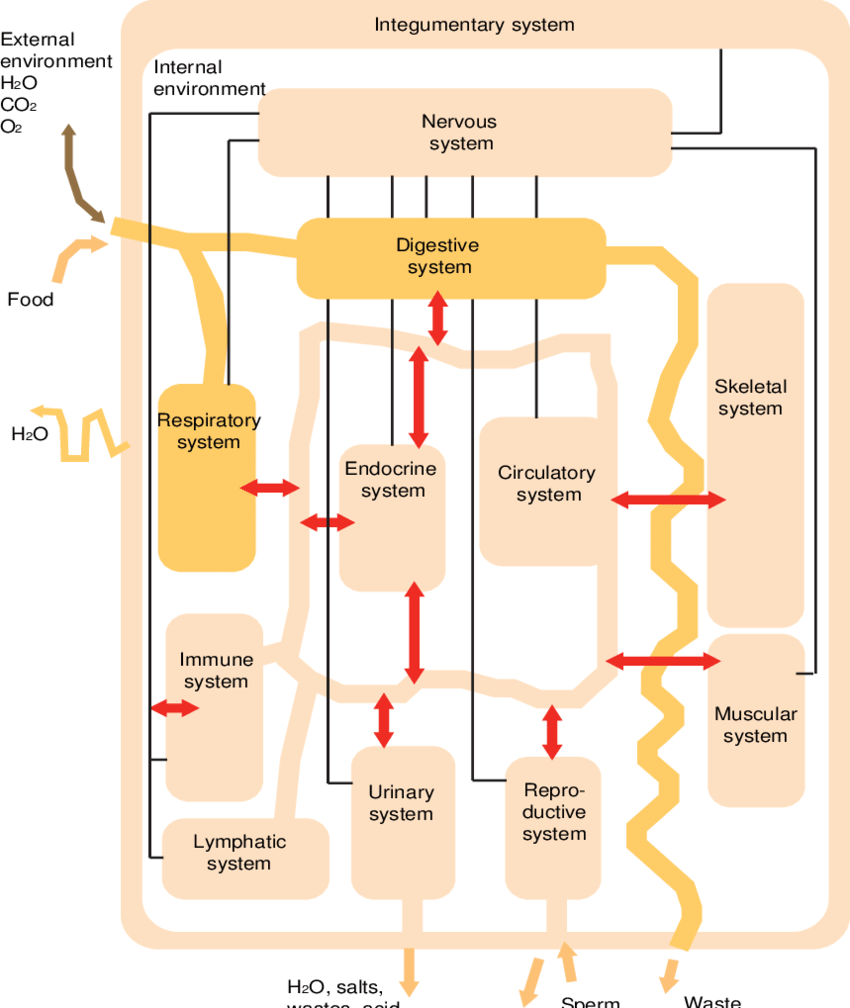
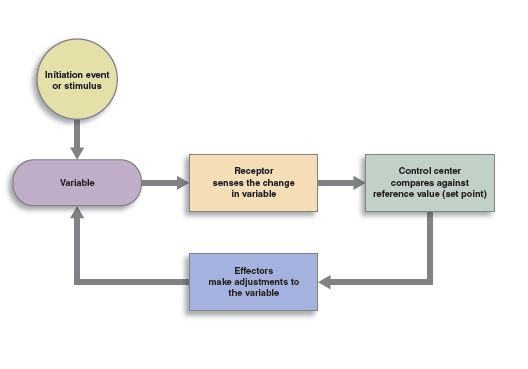
The human organism operates as a complex adaptive system, governed by feedback loops, signaling pathways, and rhythmic coordination between organs.
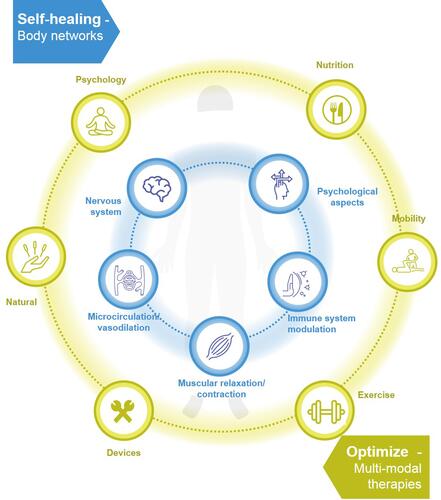
A biological reset does not impose control on the body. Instead, it restores the conditions under which self-regulation can occur. This aligns with principles of systems biology, not symptomatic medicine.
How the Body Communicates
Inter-system Communication
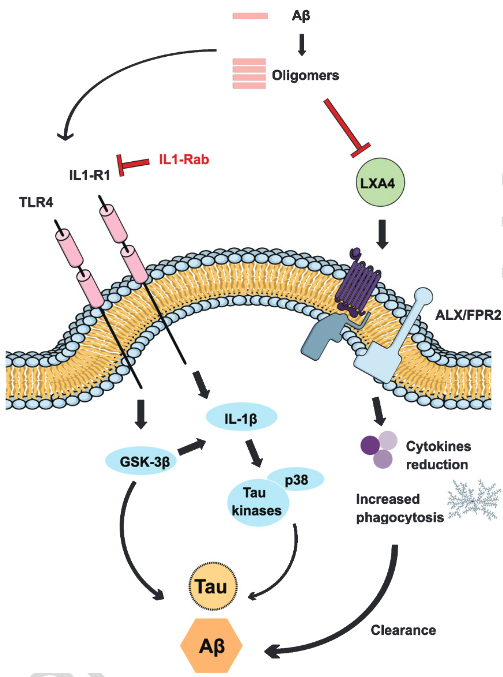
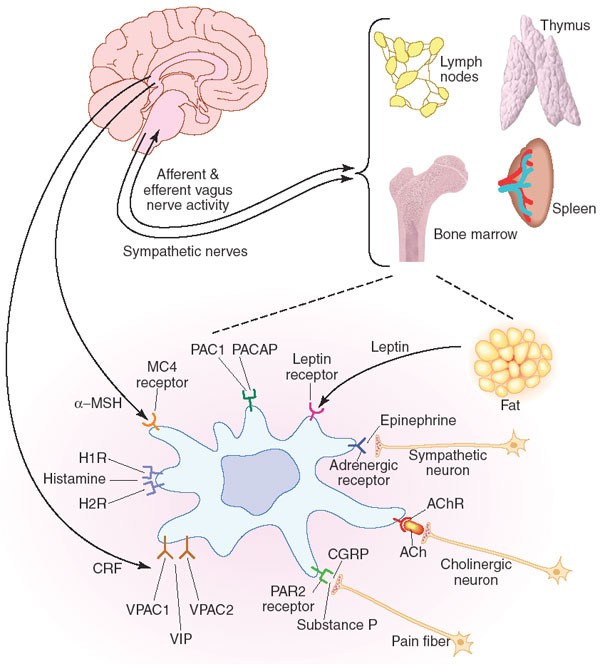
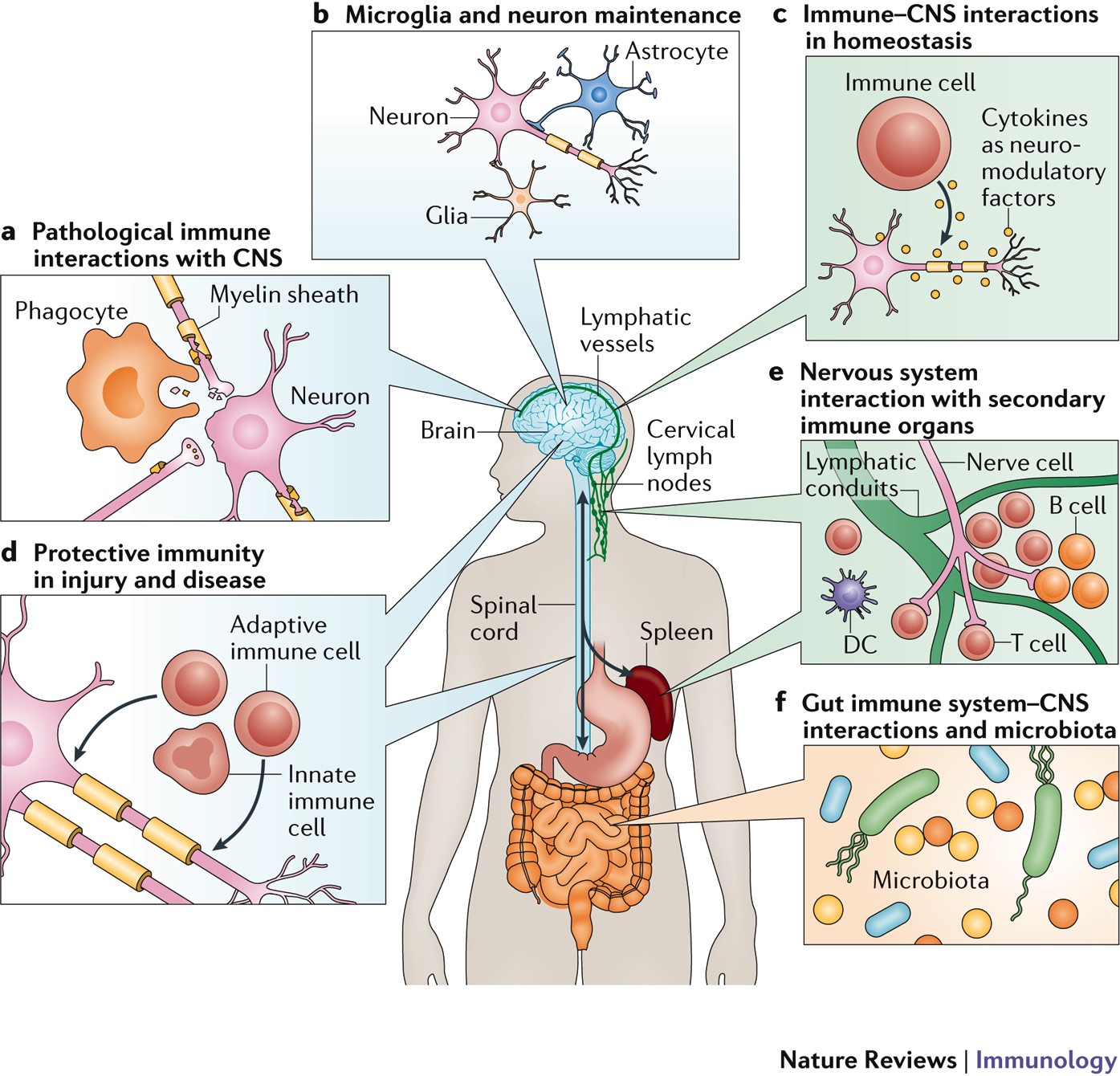
Biological systems communicate via chemical, electrical, and metabolic signaling:
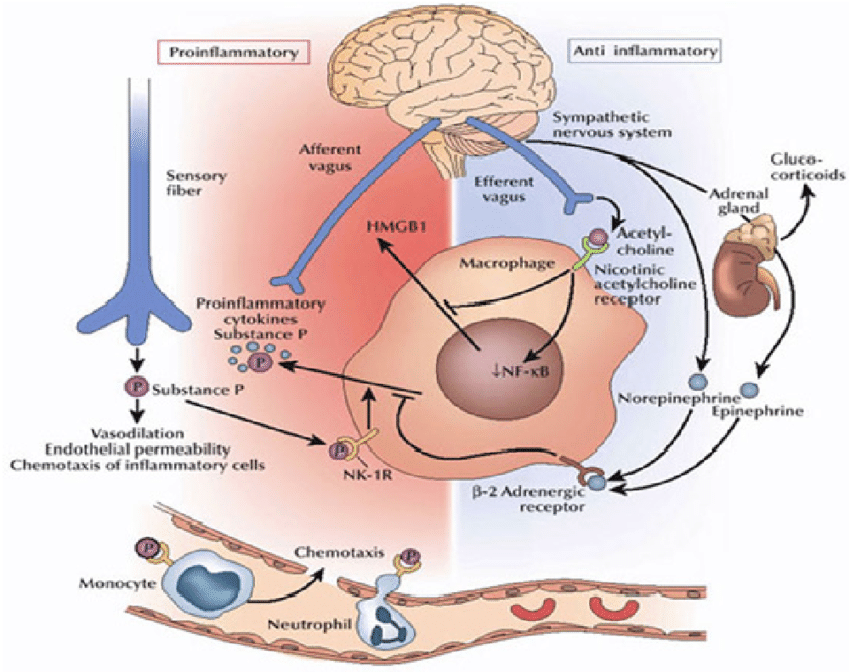
- Cytokines and neurotransmitters coordinate immune and neural responses
- Hormonal cascades regulate metabolism, reproduction, and stress adaptation
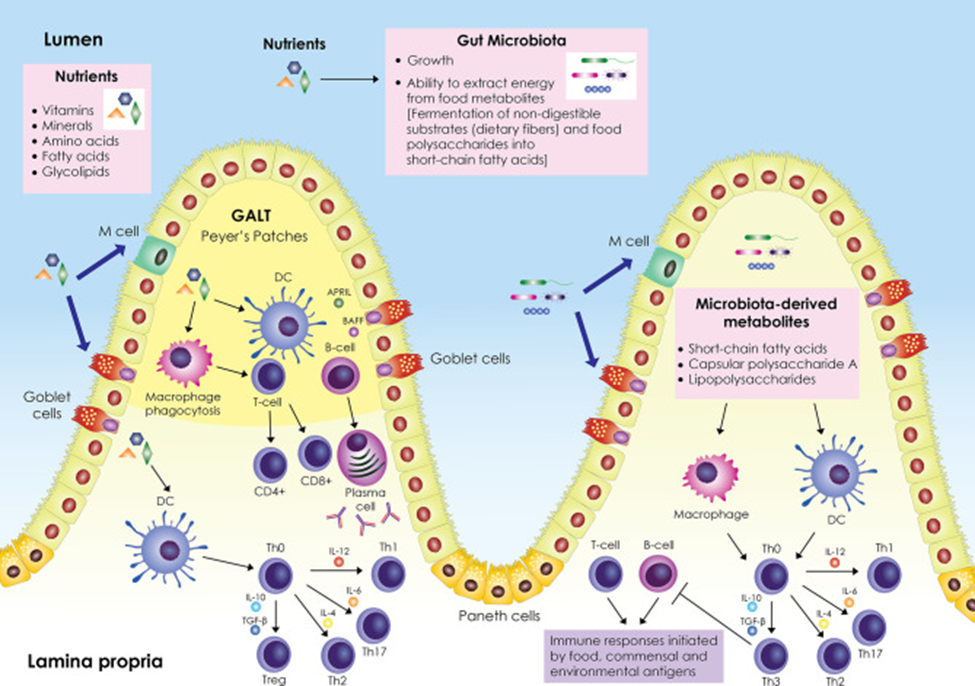
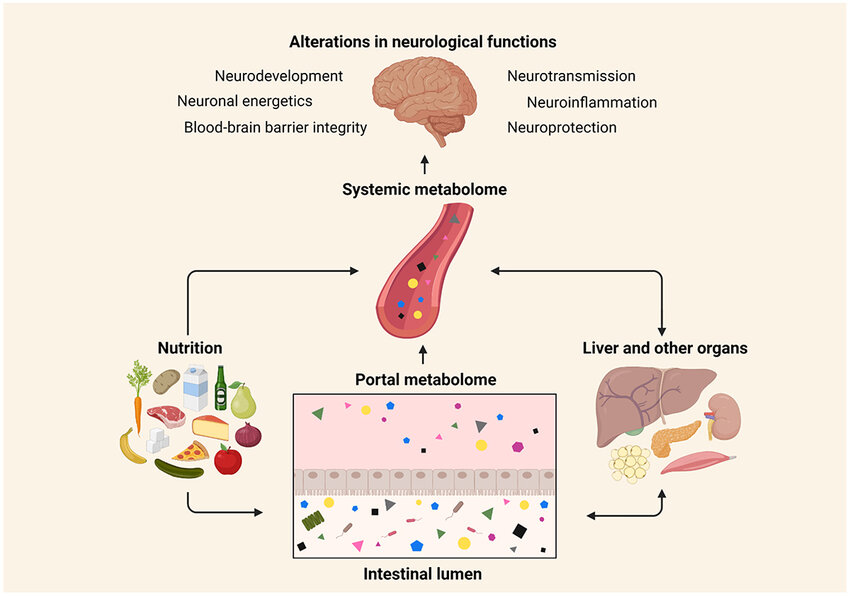
- Microbiota-derived metabolites influence immunity, mood, and inflammation
Disruption in one signaling network propagates across others, a phenomenon known as systemic dysregulation.
The Body as an Integrated System

Functional Interdependence
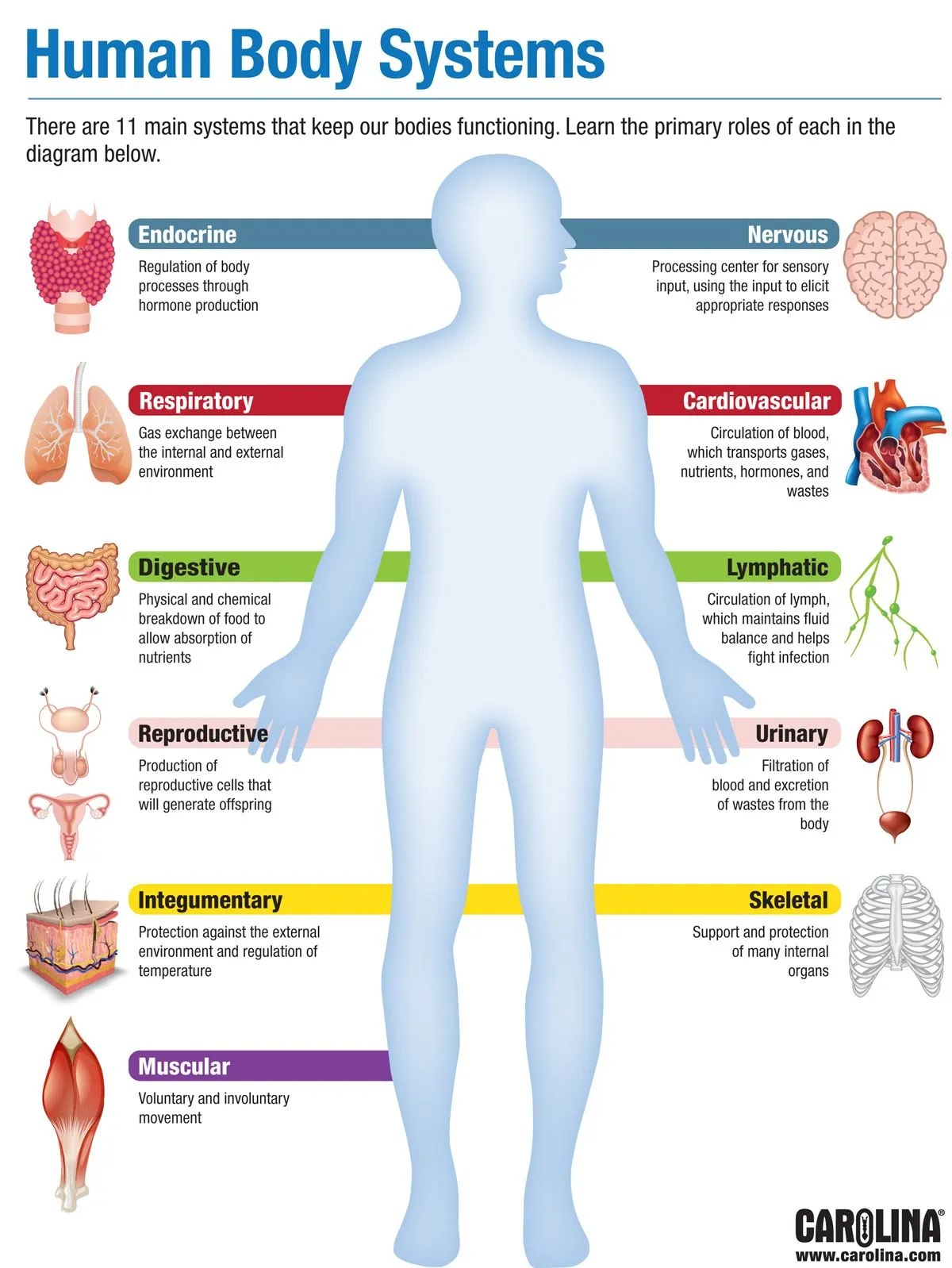
Biological subsystems do not operate in isolation:
- The gastrointestinal system modulates immune tolerance and inflammatory tone
- The liver governs hormonal clearance, detoxification, and glucose homeostasis
- The nervous system orchestrates inflammatory responses and repair mechanisms
Chronic overload—nutritional, toxic, psychological, or inflammatory—leads to loss of adaptive reserve, not immediate disease. This manifests as fatigue, instability, or recurrent symptoms.
What Is a Biological Reset?
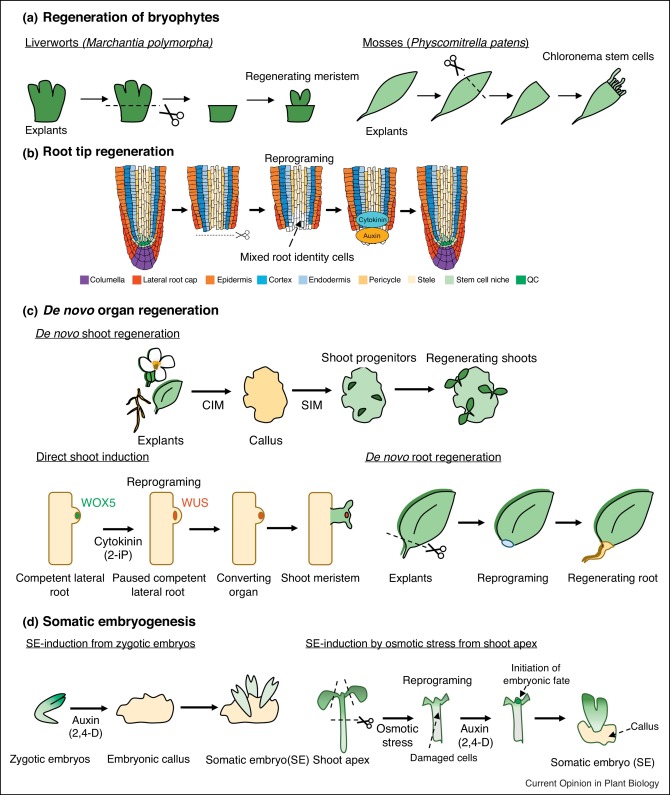
Definition (Biological Terminology)
A biological reset is a system-level unloading and re-synchronization process that enables the body to re-establish:
- Accurate biological signaling (receptor sensitivity, feedback integrity)
- Regenerative capacity (cellular repair, autophagy, tissue recovery)
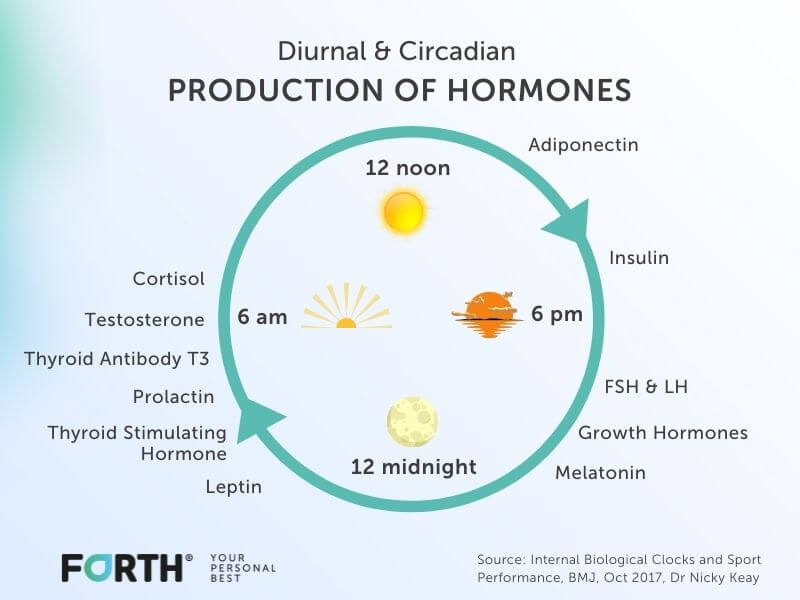
- Stable biological rhythms (circadian, metabolic, hormonal timing)
Crucially, this process follows endogenous biological timing. Cellular repair and systemic recalibration cannot be accelerated without compromising stability.
Why Symptoms Often Return

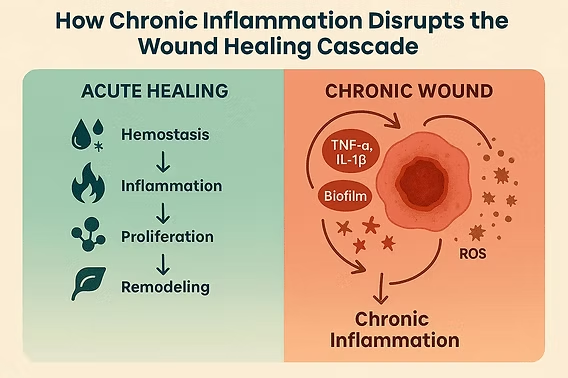

Symptom Suppression vs System Restoration
When interventions target isolated symptoms, underlying regulatory dysfunction remains intact. The organism compensates temporarily, then reverts to imbalance.
A sustainable reset requires:
- Causal correction over symptomatic masking
- Restoration of inter-system communication
- Reduction of chronic load to allow coordination to resume
Without these conditions, biological memory pulls the system back to its prior state.biological networks that evolved to process diverse molecular inputs.
Conclusion

Return to Biological Intelligence
A biological reset is not an intervention strategy.
It is a return to intrinsic regulatory intelligence, where the body regains the capacity to coordinate, repair, and stabilize itself as a unified system.
In biology, true healing is not forced—it is allowed.
Blog MiraBiotic®

Short, evidence-informed reads for everyday wellness. Explore topics across immunity, microbiome, metabolic balance, and neuro health.
Recent Blogs
A Systems-Based Model of Biological Support with MiraBiotic
Jan 06, 2026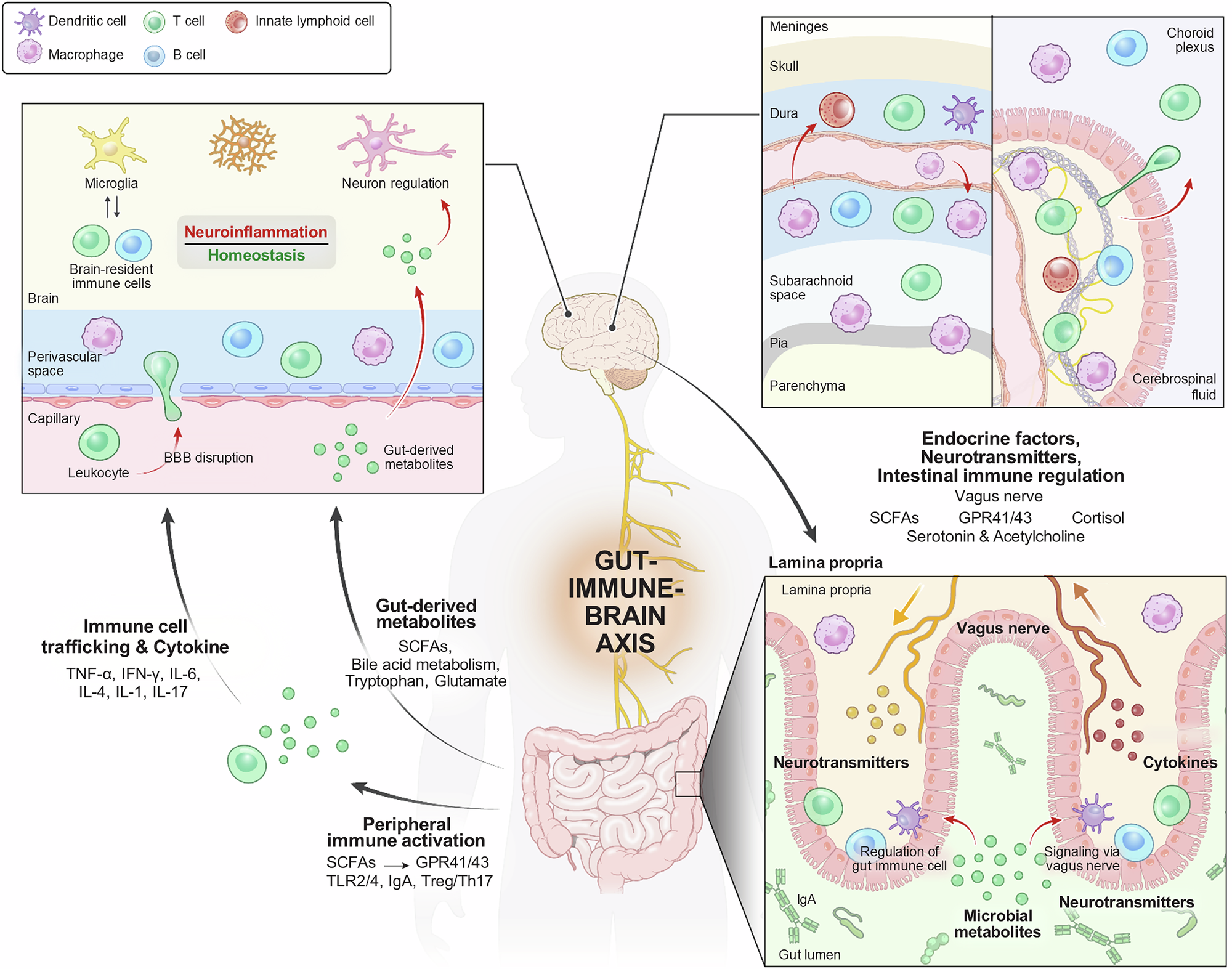
Inflammation as a Systemic Signal — Not a Disease
Jan 20, 2026Modern Medicine Symptom Control vs. Biological Healing
Jan 19, 2026
The Body’s Biological Intelligence – More Advanced Than We Think
Jan 24, 2026Why Chronic Diseases Are Rarely “Cured” in Current Medical Models
Jan 26, 2026Newsletter
Get new posts in your inbox.