Inflammation as a Systemic Signal — Not a Disease

Conceptual Explanation
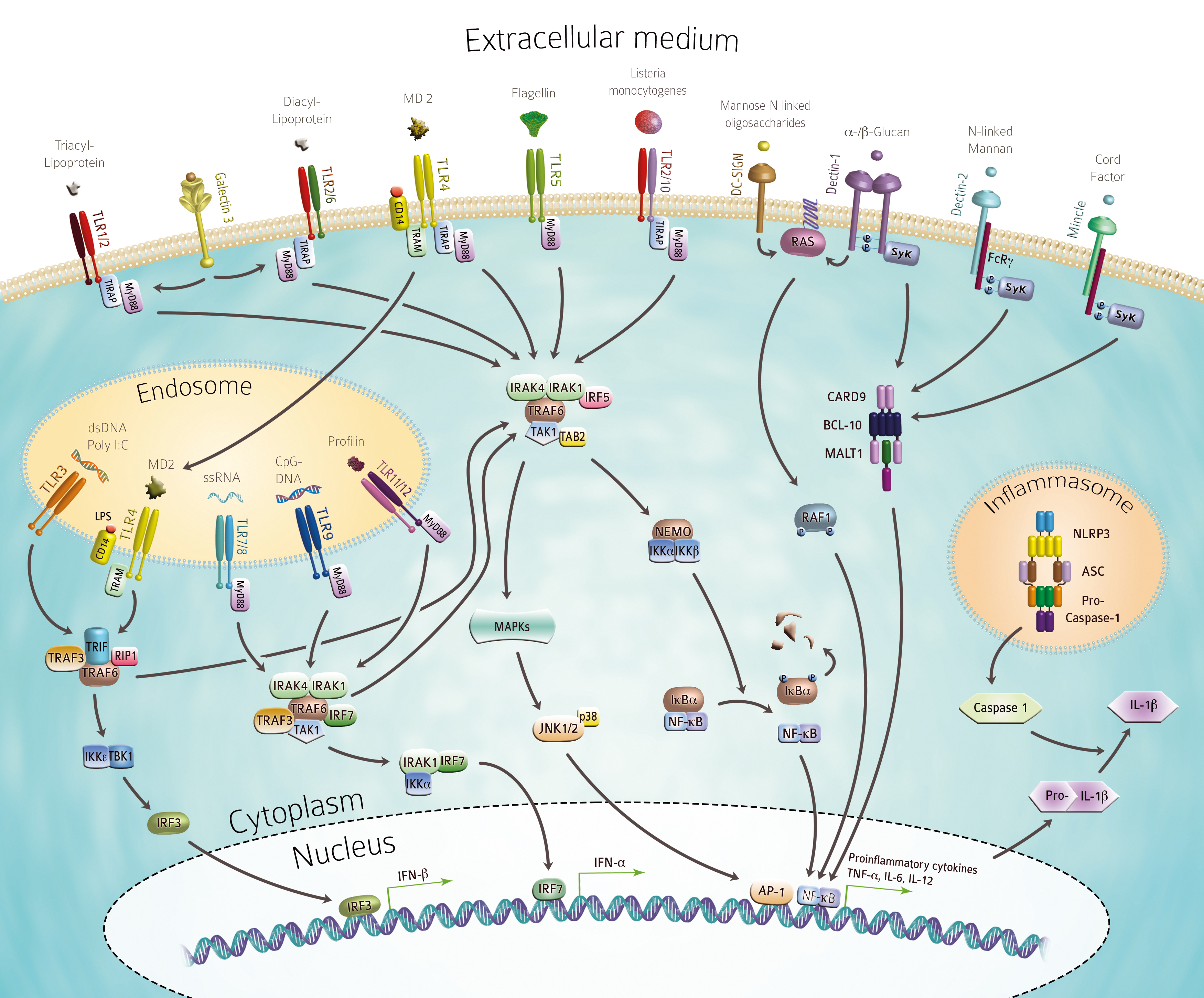
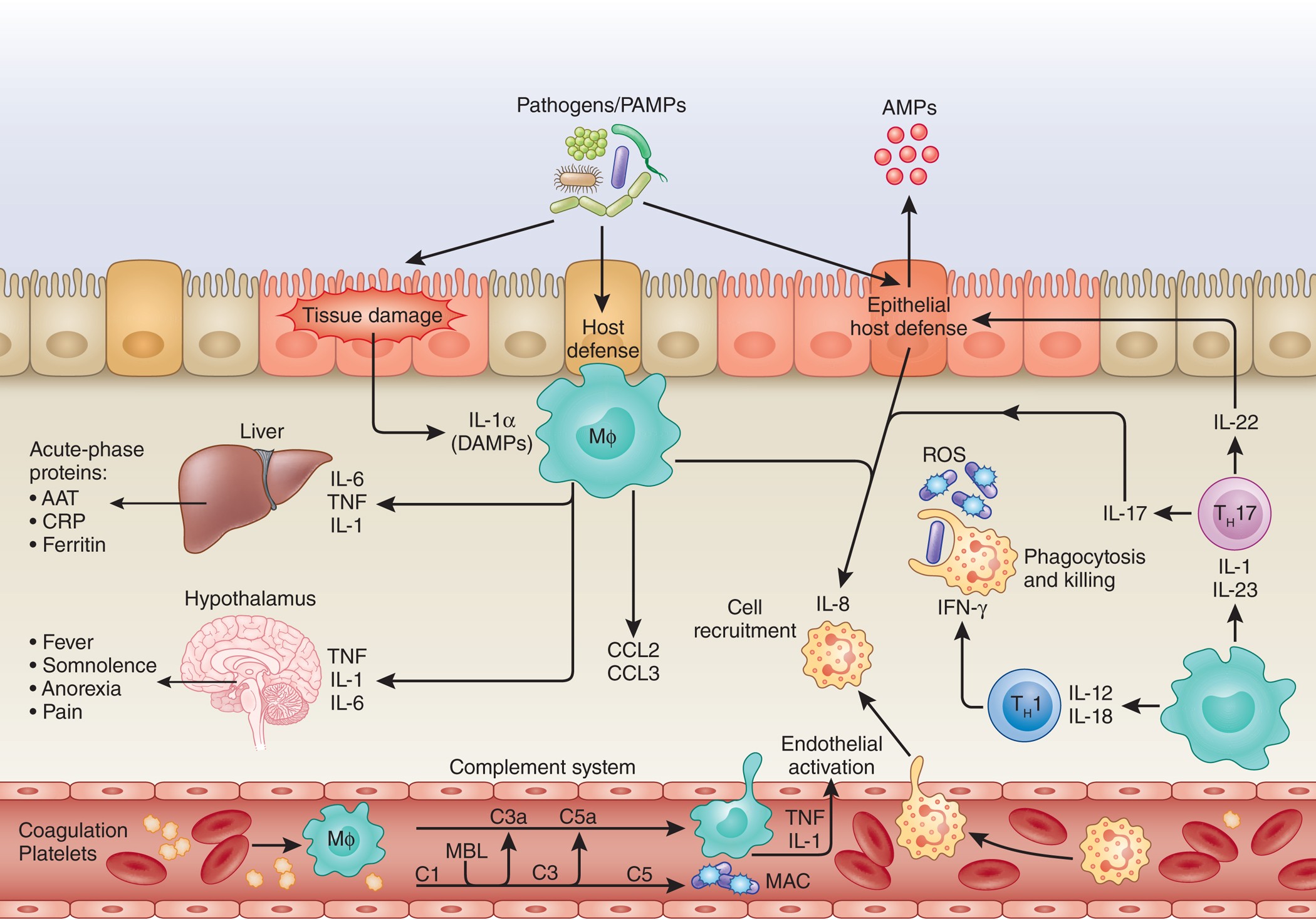
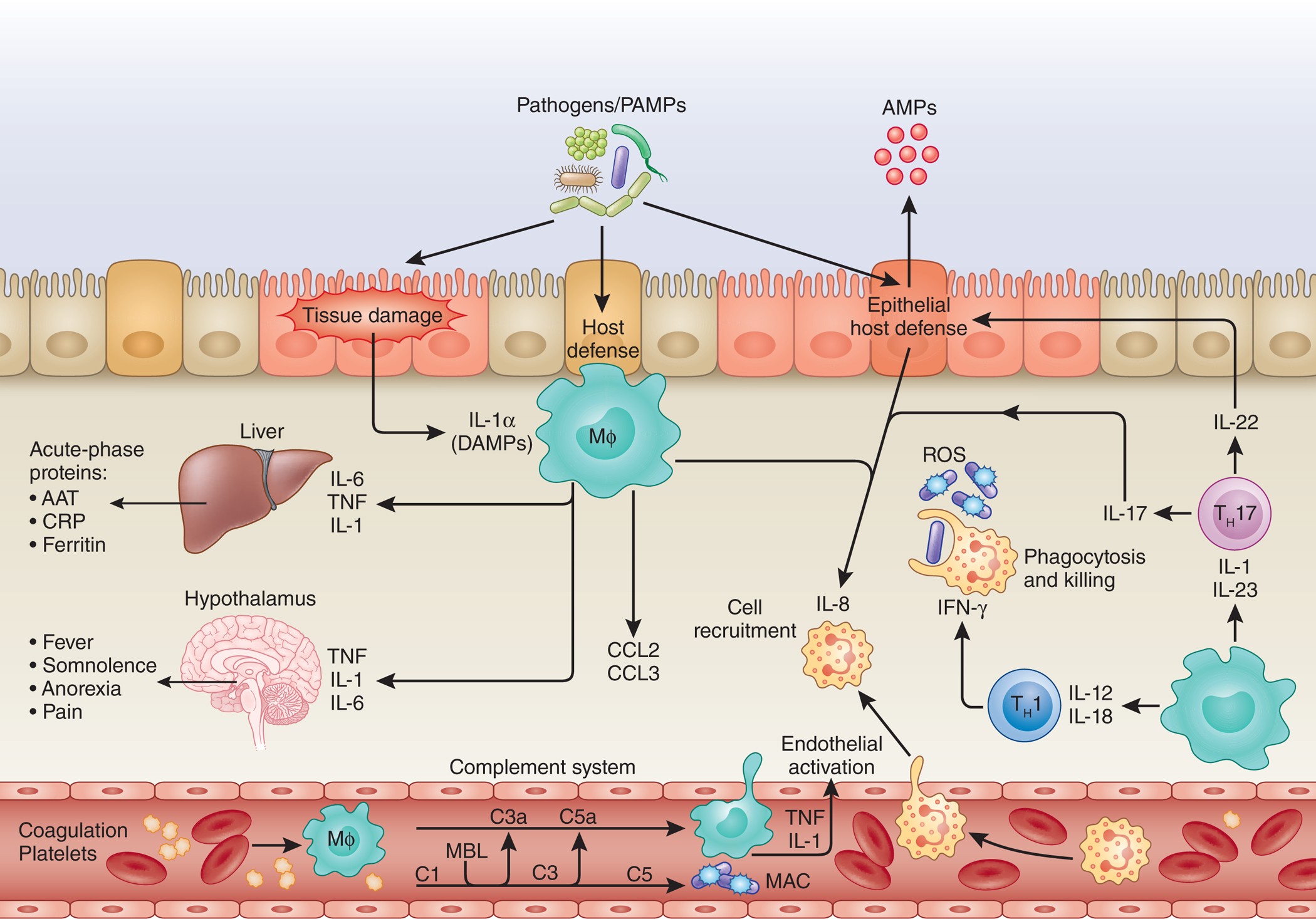
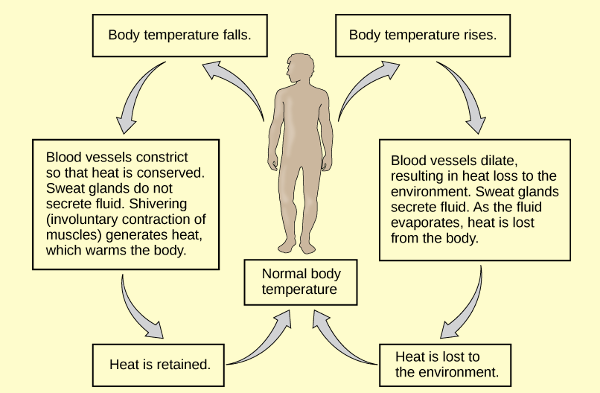
Inflammation represents a signal-transduction state, not a pathological entity in itself.
It functions as an adaptive biological communication mechanism, indicating deviations from physiological equilibrium (homeostasis).
Rather than being inherently harmful, inflammatory signaling reflects contextual biological demand arising from stress, injury, immune activation, or metabolic imbalance.
Inflammation as a Fundamental Biological Process
Systems Terminology
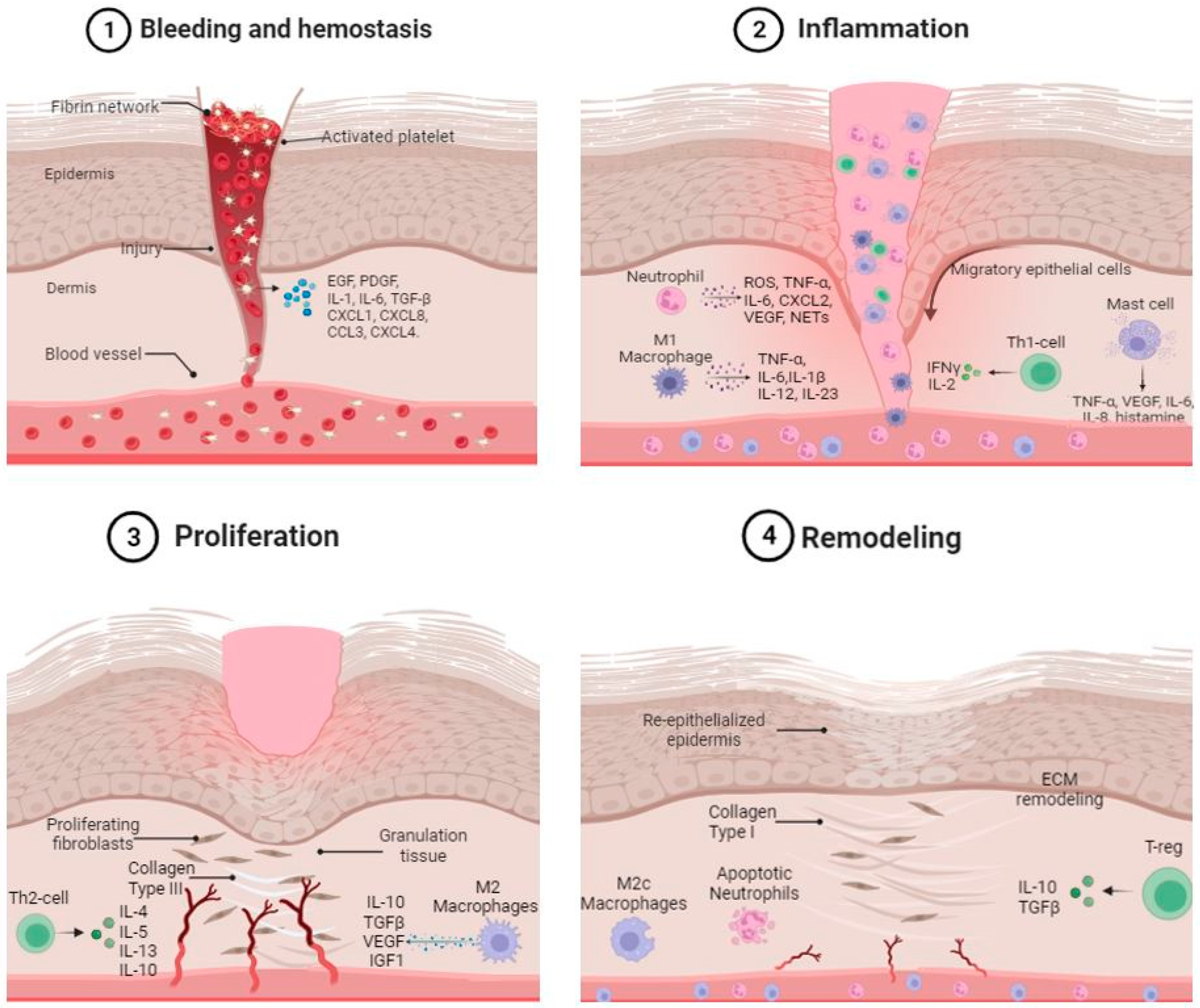
Inflammation participates in:
In acute states, inflammation is self-limiting and resolution-oriented, activating repair pathways before returning the system to baseline.
Acute vs. Chronic Inflammation
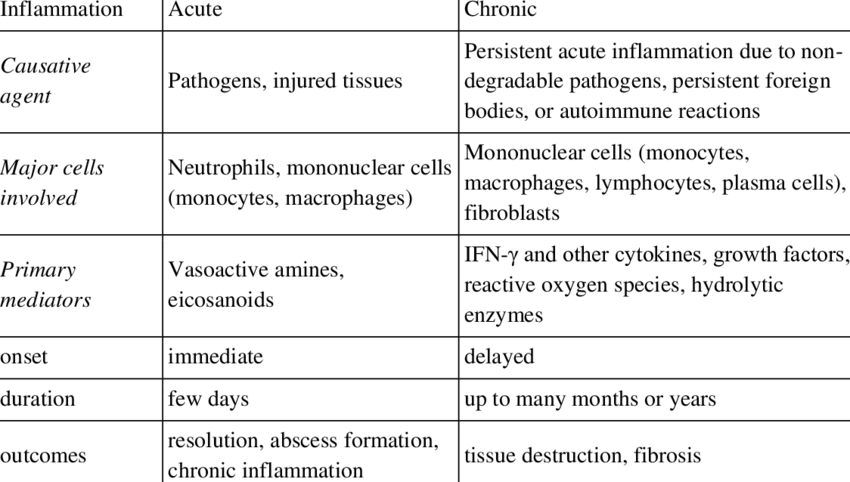
Regulatory Distinction
Acute inflammation
- Time-bound
- Spatially contained
- Resolution-capable
Chronic inflammation
Chronic inflammation represents a failure of signal termination, embedding inflammatory tone into the organism’s baseline regulatory state.
Inflammation as Information, Not an Enemy
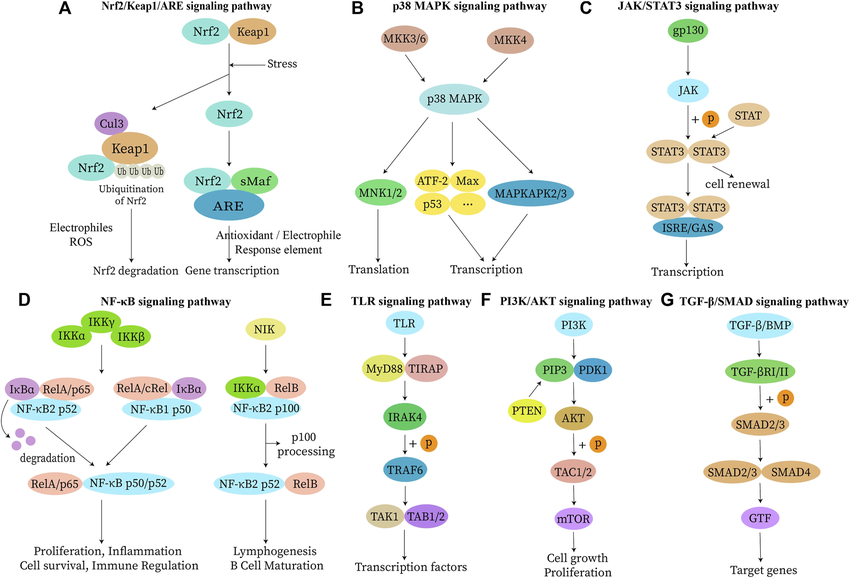
Information Theory Perspective
Inflammatory signaling encodes data about:
Suppressing the signal without resolving its cause is analogous to interrupting feedback while instability persists.
The Systemic Nature of Inflammatory Signaling
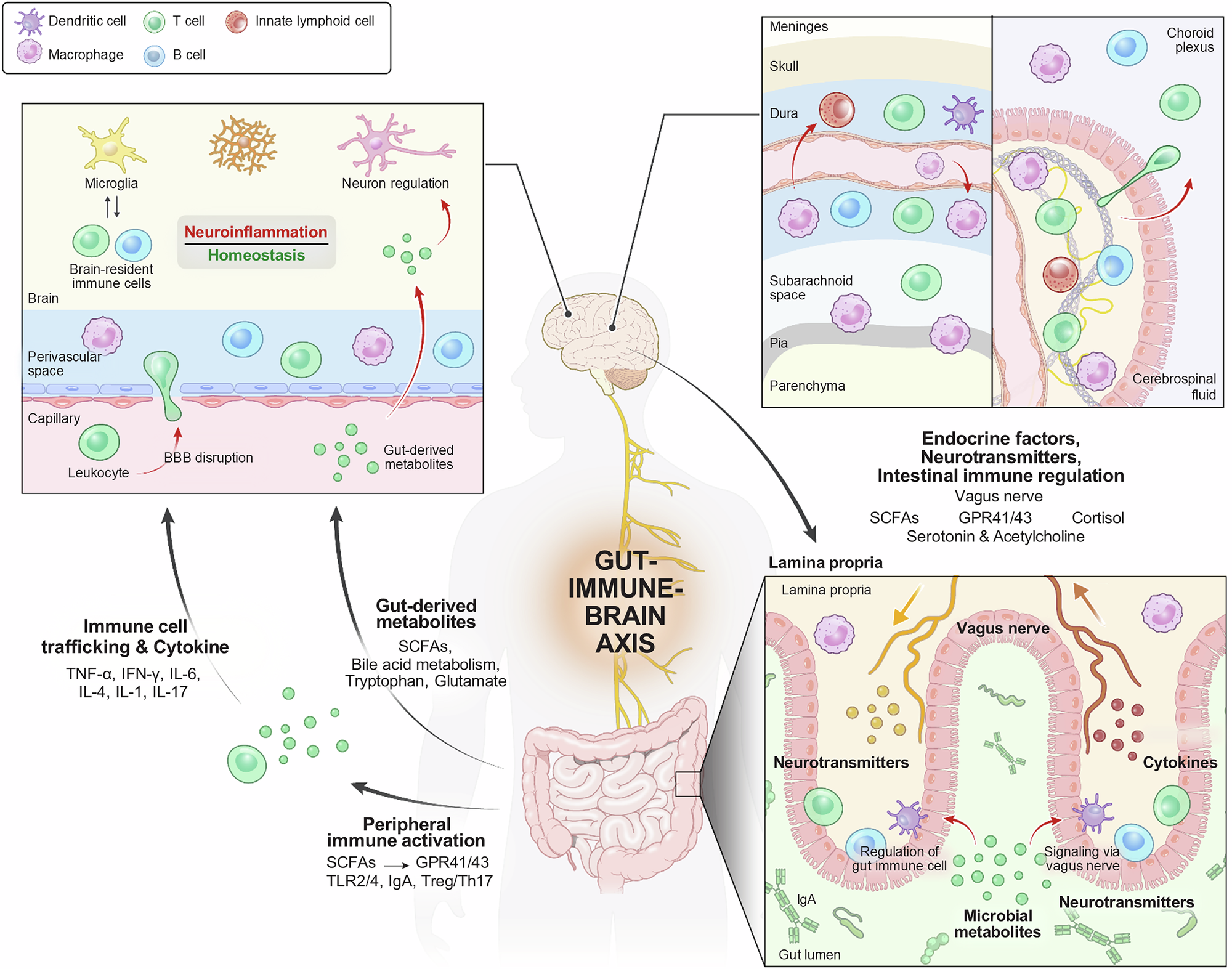
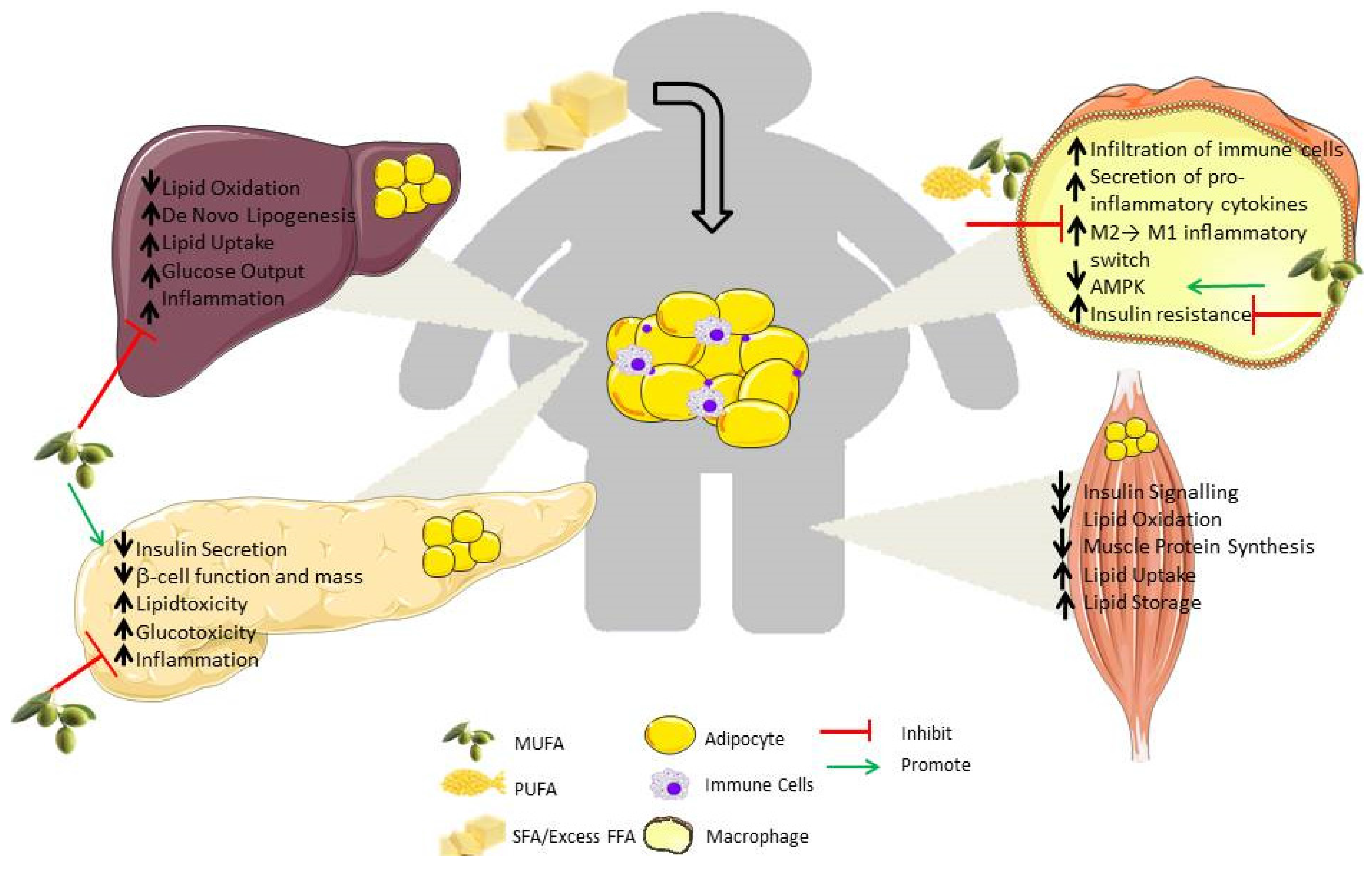
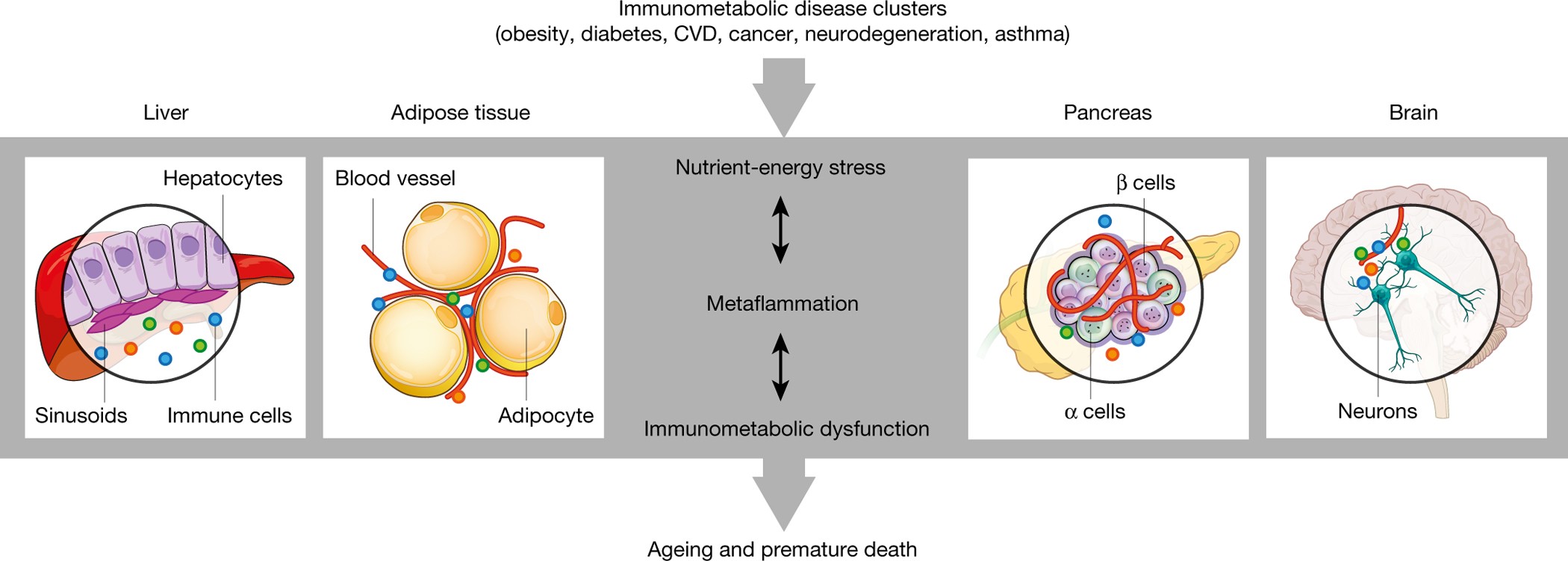
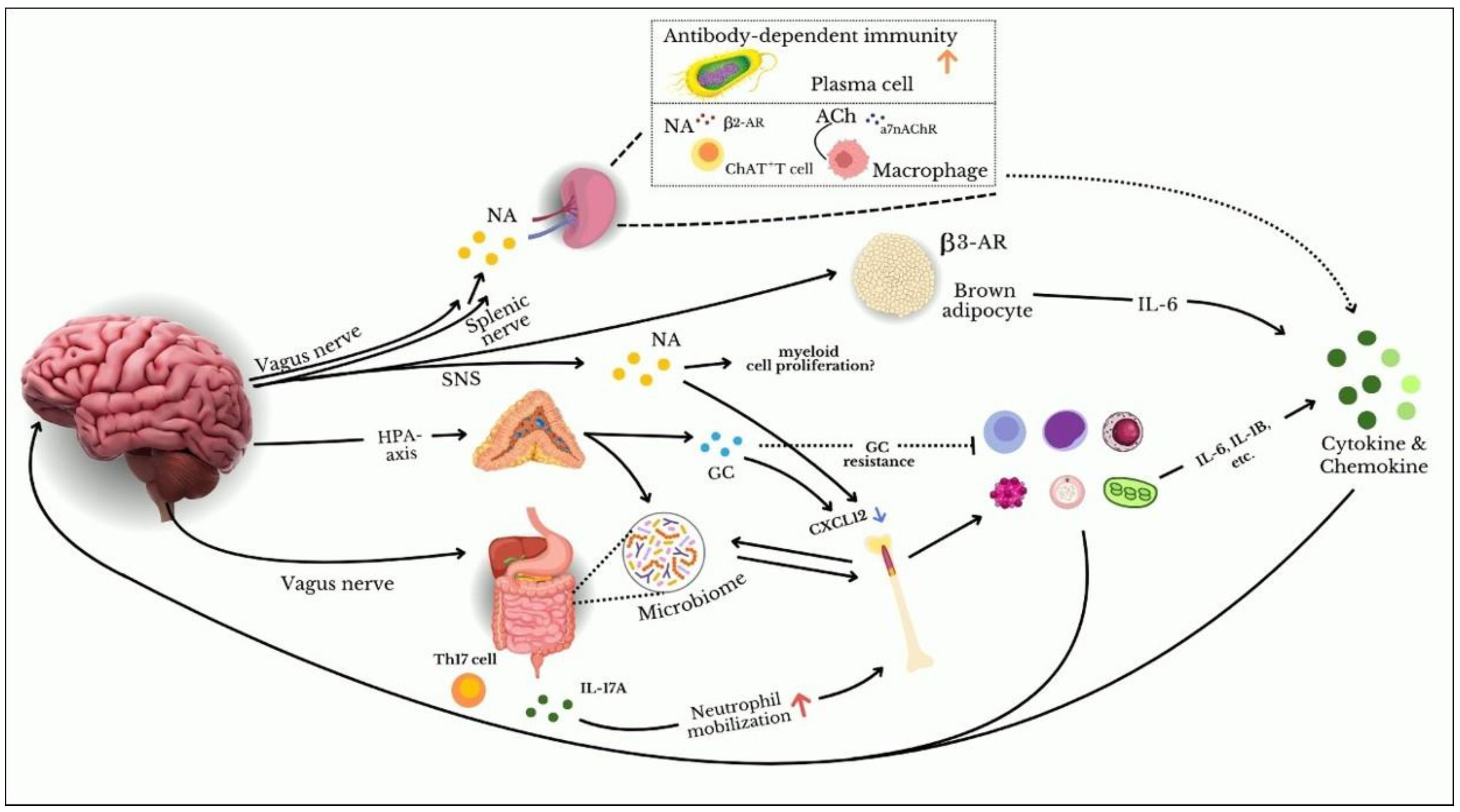
Integrated Network Model
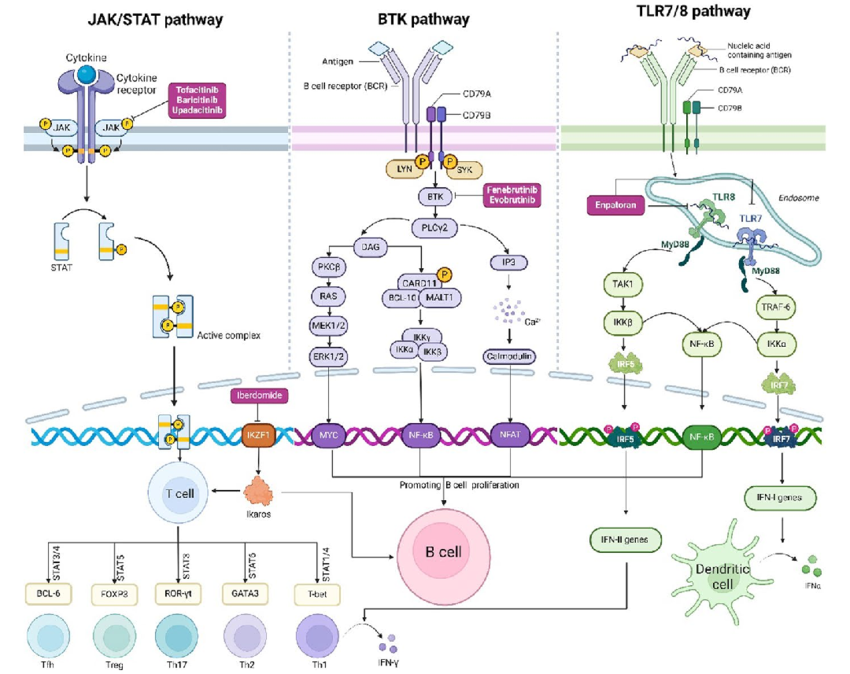
Chronic inflammation reflects cross-system coupling, involving:
This reinforces inflammation as a distributed systems state, not an isolated malfunction.
From Suppression to Regulation
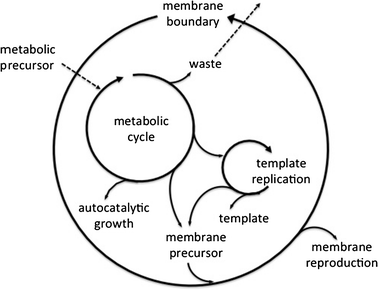
Regulatory Framework
A systems-based approach emphasizes:
The guiding question shifts from “How do we block inflammation?” to “Why does the system maintain this signal?”
Conclusion
Scientific Context
Blog MiraBiotic®

Short, evidence-informed reads for everyday wellness. Explore topics across immunity, microbiome, metabolic balance, and neuro health.
Recent Blogs
What Does Biological Reset Mean – and Why Does the Body Need It?
Jan 12, 2026
A Systems-Based Model of Biological Support with MiraBiotic
Jan 06, 2026Modern Medicine Symptom Control vs. Biological Healing
Jan 19, 2026
The Body’s Biological Intelligence – More Advanced Than We Think
Jan 24, 2026
Why Chronic Diseases Are Rarely “Cured” in Current Medical Models
Jan 26, 2026Newsletter
Get new posts in your inbox.